Mechangelion boss fights — prep and wipe recovery
What “boss” means in a portrait duel
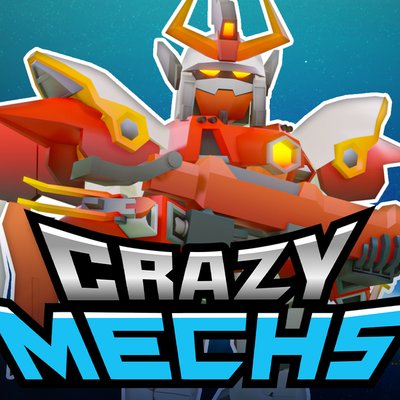
Mechangelion is not a raid game with a separate boss menu. What players call a boss is usually a named fight or a stretch where the opponent’s kit stops matching the jab-trading you learned in the first ten minutes. The camera stays portrait. The panel stays the same size. The difference is consequence: one correct read from the other side ends you, or their wind-up covers half the lane you thought was safe.
That shift is why generic advice like “get good” fails. You are not failing because you forgot a combo spreadsheet. You are failing because you brought a habit — press when they press, upgrade when the shop glows — into a bout that punishes habits. The fix is preparation you can feel in the next round, not a longer paragraph. Open the flagship with this page beside you once, then close it and play.
Before the fight: bank, do not browse
The worst boss prep is shopping anxiety. You lose once, you open the upgrade tree, you buy whatever is highlighted, you rematch with a kit you cannot describe. A better rule: enter the hard stretch with one spike saved. That spike might be armor if you keep dying after winning the read. It might be a weapon step if your hits chip but never close. It is probably not a special you have thrown twice in normal rounds.
Glass builds die here first. If your damage is pretty and your defense is theoretical, a single timed heavy from the opponent erases the round. That is not unfair; it is the game asking whether you want to keep gambling on perfect offense. Buy the spike before the rematch, not after the third identical death. The shorter version of upgrade order lives on upgrade priority and on tips. This page is the boss-shaped reason those orders exist.
One wind-up, no buttons
Watch one full startup without attacking. Not “watch while mashing lightly.” No buttons. Let the move complete. Note where your body is when it finishes. Note how long the opponent is stuck afterward. You are buying a measurement with one life. That is acceptable once per pattern.
If you cannot survive long enough to see the end, your problem may be economy, not skill. Spend the spike upgrade and try the observation again on a sturdier kit. If you can survive but refuse to stop pressing, your problem is impatience. Both look like “this boss is cheap” in chat. Only one is true.
After the measurement, your next round has a job: punish the recovery, not mirror the wind-up. Pressing your heavy because they pressed theirs is how both players whiff and the luckier recovery wins. Block, step, or armor through the part you identified, then take the opening you actually saw. If you cannot name the move that killed you, return to normal rounds until you can. First session is the pace for that foundation.
Wipe recovery without tilt shopping
A wipe is a string of losses that convinces you the game changed rules. Usually it did not. Usually your eyes are tired, your kit is wrong for the pressure, or you started rematching before your hands cooled down. Recovery is a sequence, not a vibe.
Step one: stop rematching for sixty seconds. Literally look away from the panel. Step two: name the last loss. “I ate the long startup.” “I spent my special into block.” “I panicked after the first hit.” If the name is “I do not know,” play one ordinary round on the default kit or a safe loadout you already understand. Step three: change one variable. Armor OR a watched wind-up OR a saved spike — not all three at once.
Step four: if you lost four times to the same tell, leave the flagship on purpose. Punchers strips the armor fantasy and keeps the wind-up lesson. Artillery vs Tanks changes the sport entirely so your eyes reset. The hot list is an intermission, not a secret easy mode. Come back to Mechangelion when you can say what you will do differently, not when you want the game to apologize.
Desktop frame, phone frame
Boss tells are often small motions at the edge of the portrait frame. On a desktop, fullscreen is not vanity; it is whether you see the shoulder wind-up or miss it because the player is a strip in a busy tab. Click the frame so keyboard input lands. On a phone, stay portrait. Rotating to landscape shrinks the body you are supposed to read and turns the panel into guesswork. More input hygiene is on mobile and portrait controls and on controls for the wider catalog.
If the frame never loads, you are not in a boss problem. You are in a loader or network problem. Play online covers cold caches and mobile data. Unblocked covers filters without pretending we can bypass them.
A rematch checklist you can actually use
Before you tap rematch on a fight that keeps deleting you, run the list: Do I have a spike upgrade banked? Can I name the last move that killed me? Did I watch one full wind-up this session? Am I changing one thing, not the whole tree? Is the tab focused and the frame fullscreen if I am on a desk?
If you answered no to most of those, fix the nos before you blame the opponent. If you answered yes and still lose, you are allowed to lose again — but you should lose differently. Different position, different block choice, different punish timing. Same death on repeat is a signal to read upgrade priority again or to take the intermission seriously.
Mechangelion rewards honest reads more than perfect execution on day one. Boss stretches are where that honesty gets tested. Prep like a duelist, recover like an adult, and keep the tips hub for the shorter reminders when you do not need a full page. Then close the guides and play the fight.