Armored Robot is a multiplayer mech shooter for players who want chassis customization and arena pressure more than a pure one-button fighter. You assemble a battle robot, pick weapons and armor, then drop into ranked arenas or battle-royale-style matches where positioning matters as much as aim. Compared with our flagship Mechangelion — a portrait robot fighter with readable telegraphs and short duel rounds — Armored Robot stretches into third-person shooter space: wider maps, loadout tinkering, and longer fights.
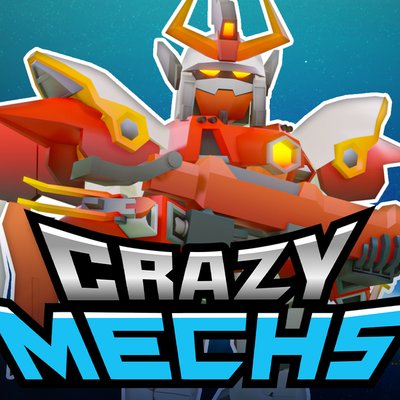
Session feel is build, drop, adapt. Early rounds teach honest weapon ranges; later you care about armor tradeoffs and when to hold a choke. It sits next to Crazy Mechs and Assault Bots, which lean more arcade-scrap.
Tip one: learn one weapon family for two matches before swapping every death. Tip two: after a frustrating streak, reset on Mechangelion, then return for the bigger arena.
Build, then drop
Armored Robot is for the evening you want a chassis you assembled, not a single portrait opponent. You pick weapons and armor, then enter arenas where the map is large enough to waste a life by standing in the open. Aim and position matter together. A beautiful loadout that cannot hold a corner is a costume.
The first matches should be dull on purpose. Choose one weapon family and keep it until you can say its honest range: the distance where it wins, and the distance where you should already have left. Ranked pressure and battle-royale-style crowding will tempt you to rebuild after every knock. Resist that for two deaths. If you change the gun, the armor, and the route at once, the next win teaches nothing.
Compared with Mechangelion, the camera sits farther back and the round lasts longer. You are not watching a jab’s startup in a tall frame. You are deciding whether a choke is yours. That is a third-person shooter skill wearing a robot. If you wanted limb reads, go back to the flagship instead of forcing this arena to box.
Neighbors that are not substitutes
Crazy Mechs also lets you tinker, but the scraps are snappier and more arcade. Assault Bots is about punching a lane with a machine, not customizing a shooter. Use Armored Robot when the word “loadout” is the appeal. Use those two when you want the fight to start sooner and the menu to matter less.
On a desktop, click the frame and consider Fullscreen so the arena’s edges are visible. On a phone, expect the aim to feel fussier than Mechangelion’s panel. If the phone version turns into a squint, this is a bad commute game. Controls covers focus and fullscreen without pretending every title shares a keymap.
A frustrating streak is a signal to change one variable or to leave. One variable: only the weapon, or only the corner you contest. Leaving means a short portrait bout, then a return if you still want the big map. It does not mean an installer. Browser play is the path on play online.
Skip this page if you wanted turn-based shells or stick armies. Those are Artillery vs Tanks and the stickman war titles. Stay if you want to be responsible for a build you chose and a position you held.
The corner you can name after you leave
Leave Armored Robot able to name the corner you were trying to hold and the weapon that belonged there. If you can name both, the arena did its job even if the match did not. If you can name only the weapon, you were in a menu fantasy that happened to include a map. Hold the next drop to that corner and that weapon. No third variable. Wider than Mechangelion does not mean more chaotic on purpose. It means the chaos has an address. Find the address once, then stop for the sitting. You can queue again tomorrow without turning tonight into a rebuild spiral.
October 15, 2026 — loadout corner table
| Variable | Hold for two deaths | Then maybe change |
|---|---|---|
| Weapon family | Yes | Only if range note is written |
| Armor picks | Yes | After weapon note exists |
| Corner you contest | Yes | New corner = new note |
FAQ: Why not rebuild every death?
Because three variables change at once and the next win teaches nothing. Dated rule: two deaths, one variable.