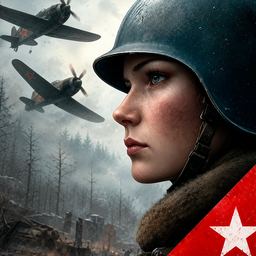
World Wars 2 is broader war strategy — fronts, units, longer decisions than a duel timer. Command a war rather than pilot one robot.
Mechangelion is intimate; this is map-scale. Warfare 1942 and Stickman World War sit nearby for denser war vs stick clarity.
Tip: learn one unit family before unlocking everything. Tip two: Mechangelion between campaigns keeps hands warm.
One family of units
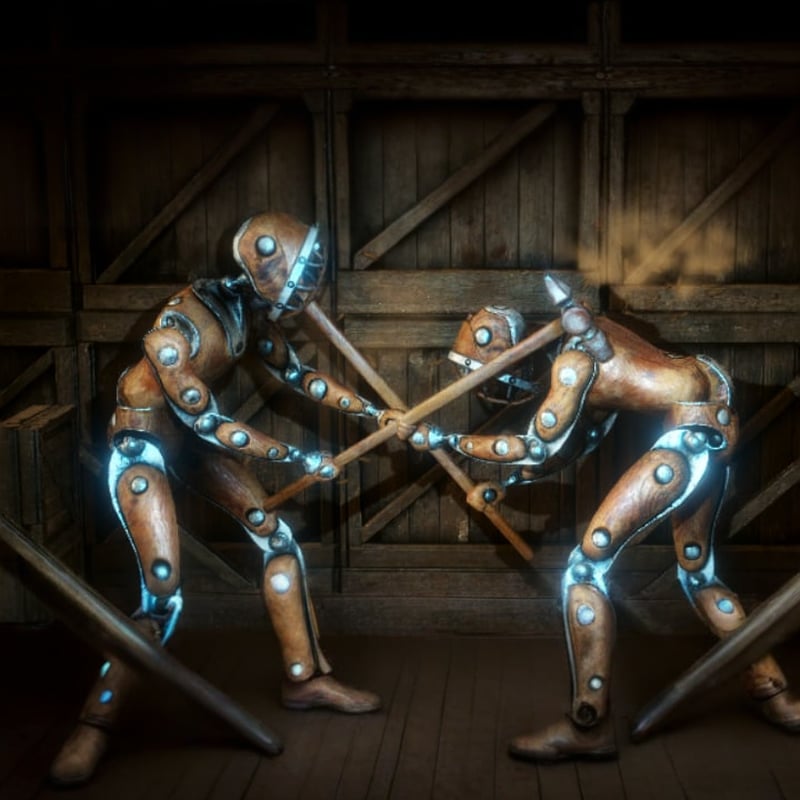
World Wars 2 is war strategy at map scale. Fronts, unit choices, decisions that outlast a duel timer. You command a war. You do not pilot the portrait robot on the homepage, and you should not expect that robot’s feedback speed. Mechangelion is intimate. This is a table. Learn one unit family before you unlock everything. A family you understand will beat a museum you saw once. The museum is how strategy games convince you that you are progressing while you lose for reasons you cannot name.
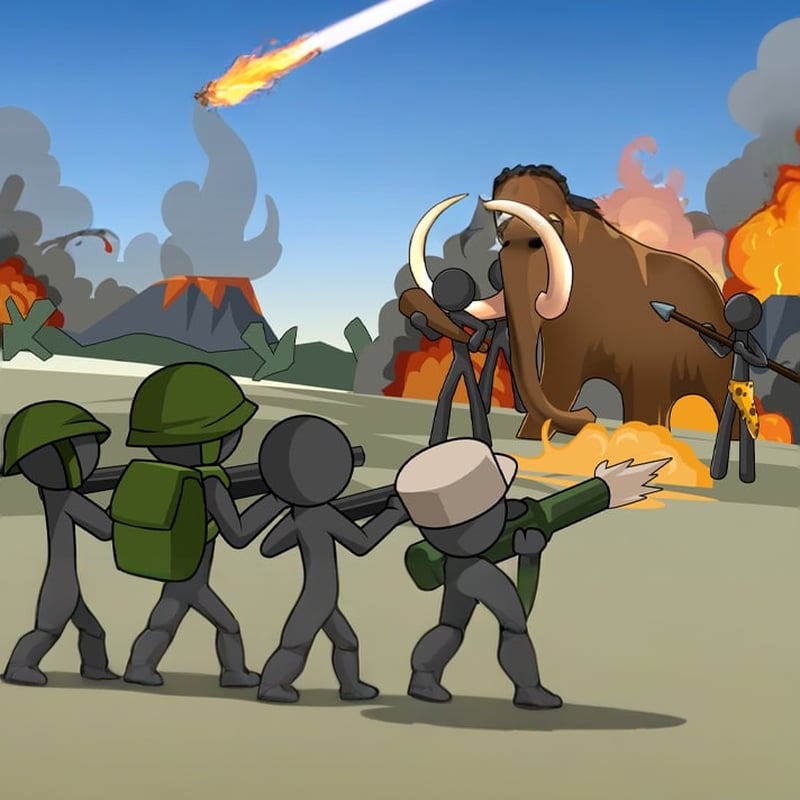
Warfare 1942 is the closer tactical sibling. Stickman World War keeps the army brain and swaps in stick clarity if the presentation here feels heavy. Call of Tanks is the armor-push version if you want vehicles without the full political map. Choose the scale you have time for. This is the long one.
Campaigns have edges
Stop at a front boundary or a chapter, not in a menu of unlocked toys. A short robot bout between campaigns keeps your hands warm and should stay short. If the robot bout becomes the evening, you wanted the flagship and you should stay there. The full catalog is not a checklist you clear by suffering.
Mouse, desktop, fullscreen, focused frame. Controls for the input rules. Do not search for a no-download twin of this page; the whole site is no-download, and the explanation lives once, on play online.
Name the unit family you learned. If the name is “all of them,” you learned none.
A front you did not unlock your way out of
World Wars 2 offers a tree of units large enough to hide in. Pick a front and forbid yourself new unlocks until that front has a result you understand. The result can be a loss. It cannot be “I need one more icon.” Strategy games sell the next icon as relief. Relief without a named mistake is how an evening disappears. One family, one front, one mistake written in a sentence: that is a campaign day even if the campaign disagrees.
Warfare 1942 is the tighter map if this table feels abstract. Stickman World War is the lighter drawing of a similar brain. Drop to those when the scale is the problem, not when you are merely losing. Losing with a sentence is progress. Losing while browsing the tree is shopping.
Mouse, desk, one sitting that ends at a chapter edge. Do not “just check” a second front. The second front is tomorrow’s game, and it will be better if you still remember the sentence.
If a friend asks what you played, describe the front and the unit family, not the title’s scale. “A long war” is not a memory. “I held the crossings with one family and unlocked nothing else” is a memory. World Wars 2 is large enough to counterfeit progress. Your sentence is the audit. If the sentence bores you, you wanted Tank Stars Online and you should go there next time without guilt or a second front tonight.