Warfare 1942 leans into mid-century war maps and slower tactical pressure than arcade mech boxing. Historical war flavor on a robot-led site.
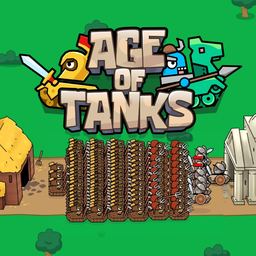
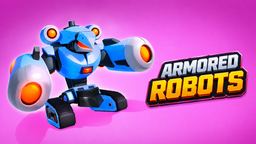
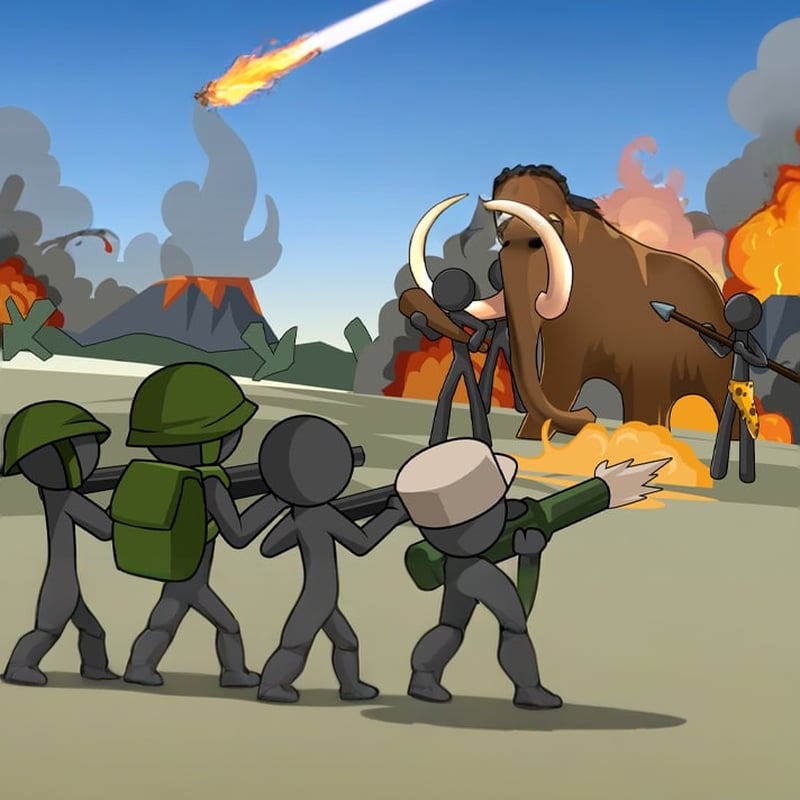
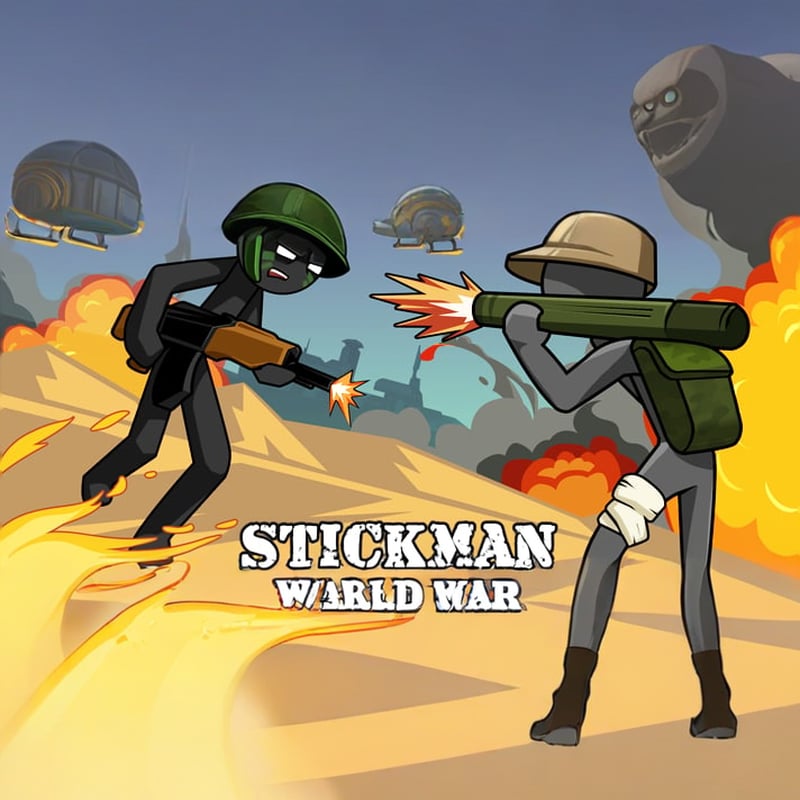
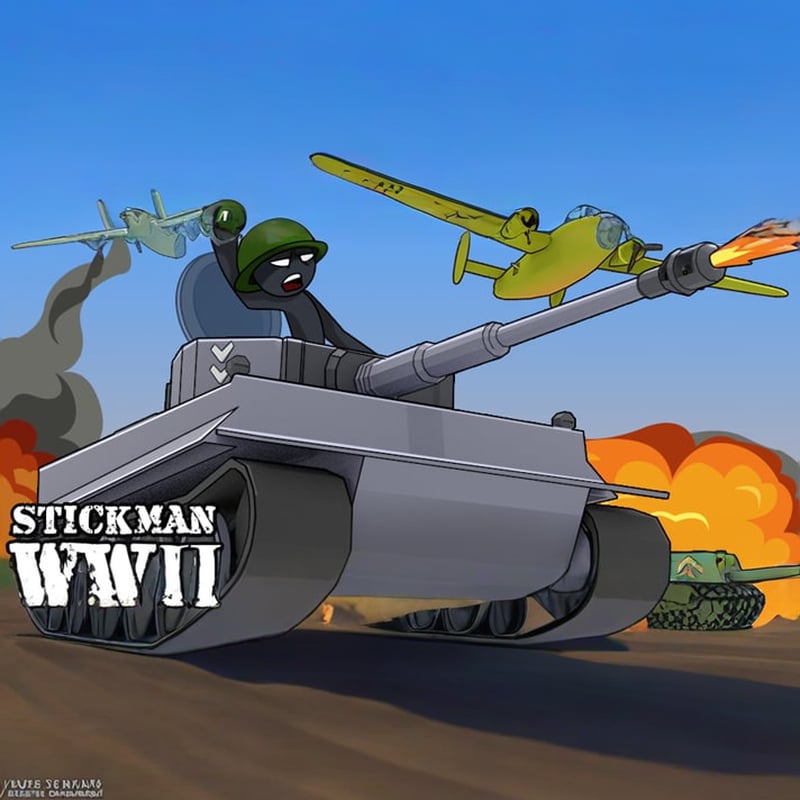
Different from Mechangelion duels and Tank Stars arcade shells. Stickman WW2 is the lighter silhouette cousin.
Tip: conserve expensive units early. Tip two: palette-cleanse with Mechangelion when you miss fast feedback.
Slower than a jab, lighter than a textbook
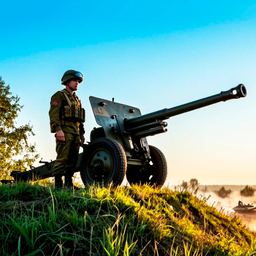
Warfare 1942 leans on mid-century maps and tactical pressure. It is slower than arcade mech boxing and more serious than a stick costume, though Stickman WW2 is the lighter silhouette cousin if you want the era without the weight. You are not in a Tank Stars Online duel and you are not in a portrait robot round. Conserve expensive units early. The first minutes are for learning where the front actually is. A hero unit spent on a scout you could have done with something cheap is how historical games feel “stingy.” They are stingy because you were early.
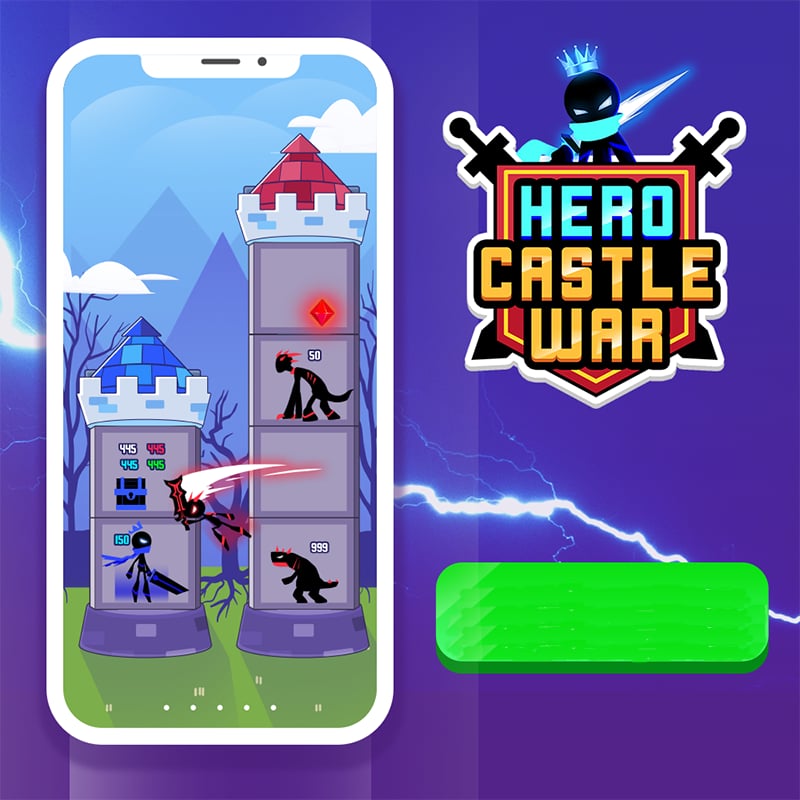
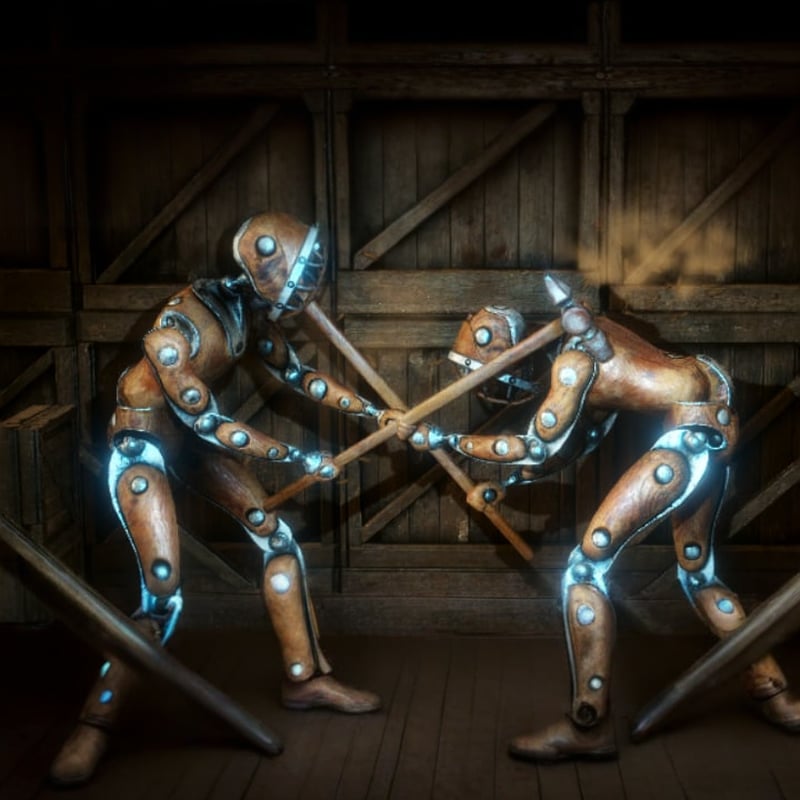
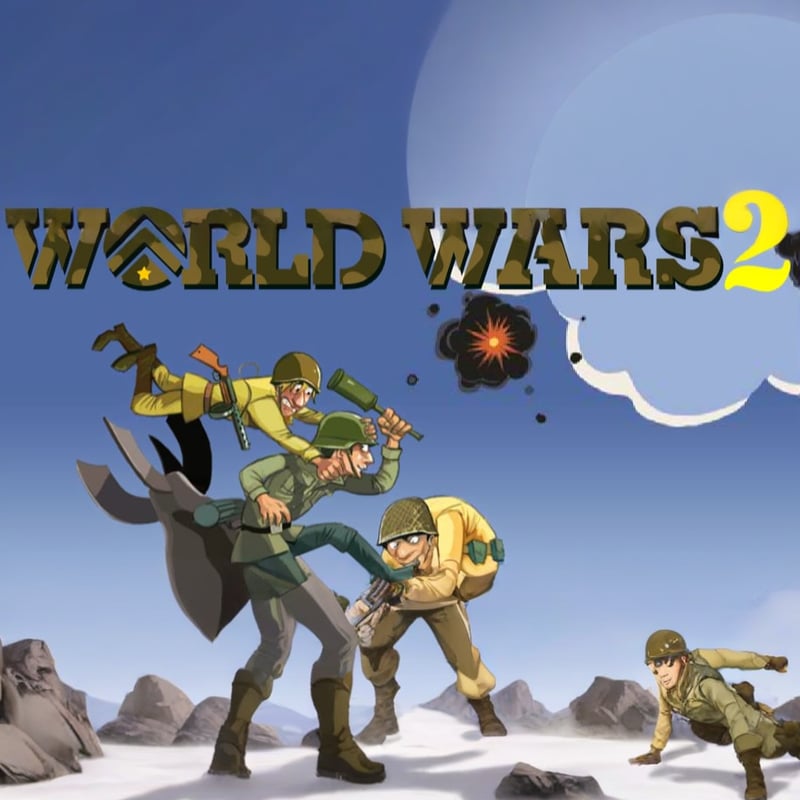
Mechangelion is the palette cleanse when you miss fast feedback. Take it when the map has become a blur, then return if the era still interests you. Do not return out of obligation. World Wars 2 is the broader strategy sibling if you want fronts more than this map’s particular pressure. Hero Castle War is the fantasy siege if you are done with the century.
Play it like a map
Desktop, mouse, time. This is a poor phone game. The browser guide tells you to match sport to screen; this is the example. Fullscreen so the front is a front. Click the frame after any menu so the next order lands.
One map, expensive units still in reserve at the start, a decision you can justify. That is the session. A second map immediately is how the first map’s lesson evaporates.
A map you can retell
Treat Warfare 1942 as a story you should be able to retell in four beats: where the front started, which expensive unit you refused to spend, what actually broke the line, and whether you would spend that unit the same way again. If you cannot retell it, you were watching explosions. Pause after the first contact and name the unit that did the work. Mid-century maps punish souvenir hunting. A tank you moved because it looked important, into a street you had not looked down, is the whole lesson hiding inside one bad order.
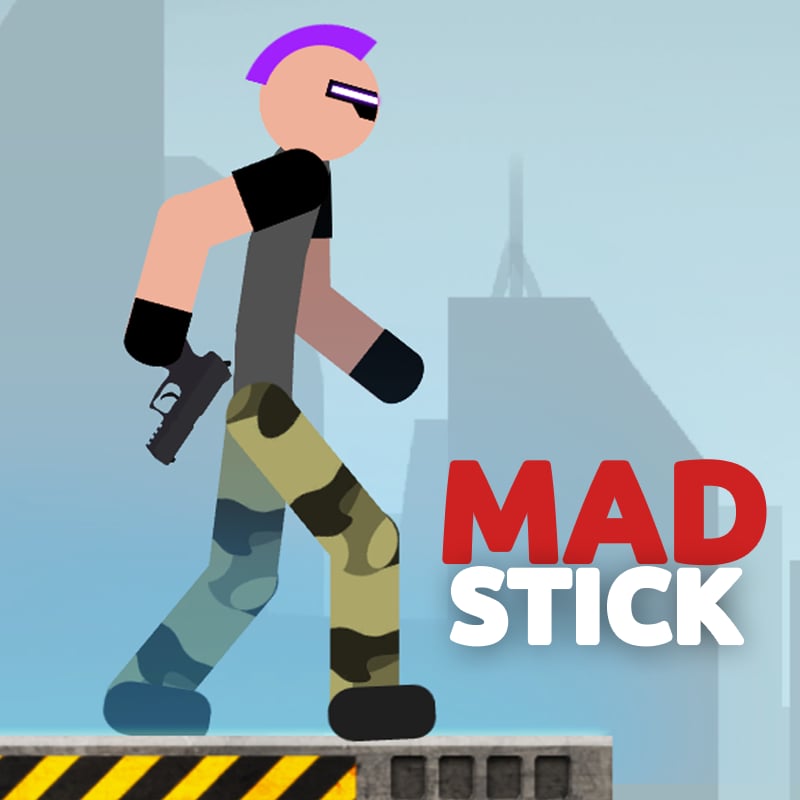
Compare that with Stickman WW2 only after you have finished one serious map here. The stick version will feel like a sketch of the same era. That sketch is useful when you want counters without the weight, and it is a demotion if you open it because the heavier map asked you to wait. World Wars 2 is the wider table. Do not stack them. One historical brain per night is the limit before every uniform looks like the last uniform.
Orders need a cursor. Play on a desk, click the frame after every menu, and leave fullscreen only when you are done with the front. A phone will turn careful timing into accidental taps, and you will call the AI cheap. It was your thumb. When the retell is solid, stop. The next map can wait until you still care about the first decision.
October 15, 2026 — four-beat retell
| Beat | Your note |
|---|---|
| Front start | |
| Expensive unit refused | |
| What broke the line | |
| Spend same way again? |
If the retell has a hole, the hole is the next order, not a new map. Warfare 1942 does not require you to see every theater tonight. It requires one front you can narrate. A hole you paper over with a fresh battle is how historical games feel endless and samey. Stay with the hole for one more order, or leave it written down. Both are better than a second map that starts the confusion over.